Pench feels different from Kanha the moment you enter.
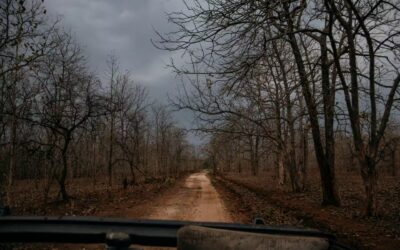
Here you see more teak forest, open woodland, and river edges. The Pench River cuts through the landscape, creating water-based bird activity that you do not see as strongly in Kanha’s sal-dominated terrain.
Birding in Pench often means watching riverbanks, dry riverbeds, and scattered woodland rather than dense canopy.
Here are ten birds that truly represent Pench’s character.
Grey-headed Fish Eagle
This is one of Pench’s signature birds.
Because of the Pench River and water reservoirs, fish eagles are regularly seen perched near water bodies. Early morning safaris give the best chance.
They are rarely this reliable in parks without a strong river system.

White-eyed Buzzard
Pench’s open woodland makes raptor sightings easier.
You often see this buzzard sitting on exposed branches along safari routes. The clear understory in teak forest helps visibility.
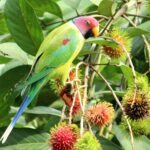
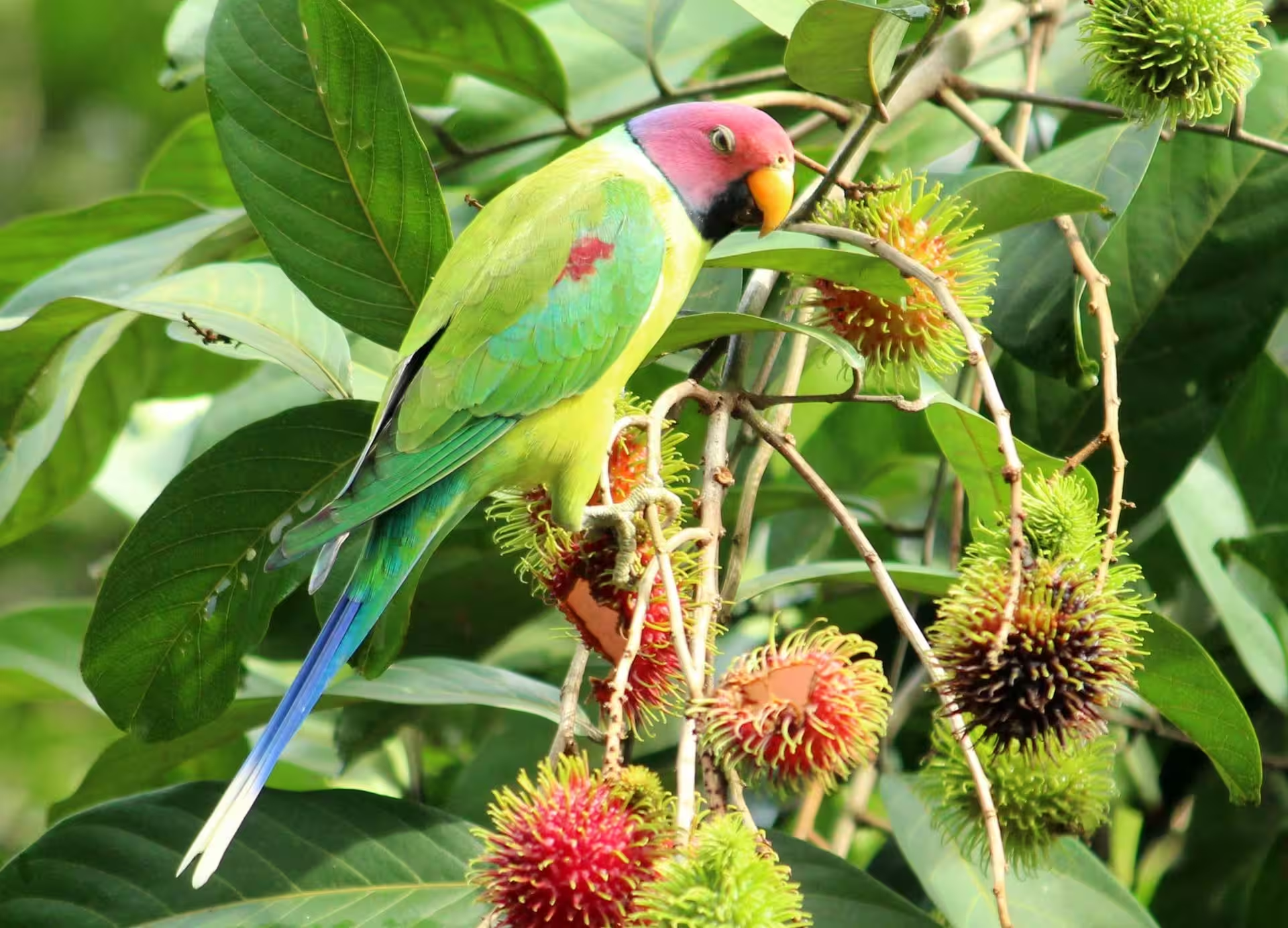
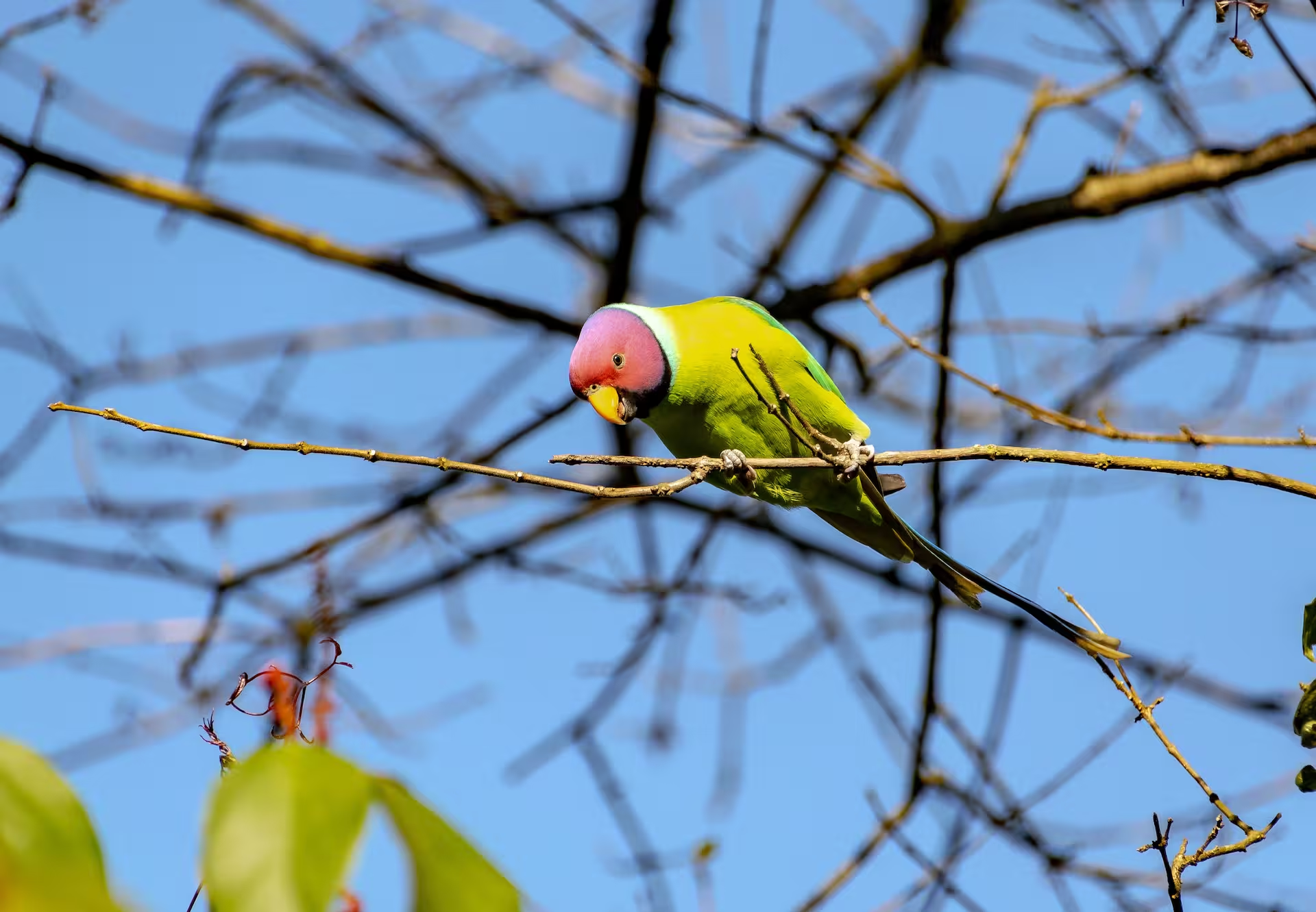
Plum-headed Parakeet
Unlike the common rose-ringed parakeet, this one is quieter and more colourful.
They move in small flocks and prefer woodland edges. Winter months offer better chances.
River Tern
This species clearly reflects Pench’s river influence.
You may spot them flying low over water reservoirs or resting on sandy banks. It is a typical Pench sighting, not something expected in drier parks.

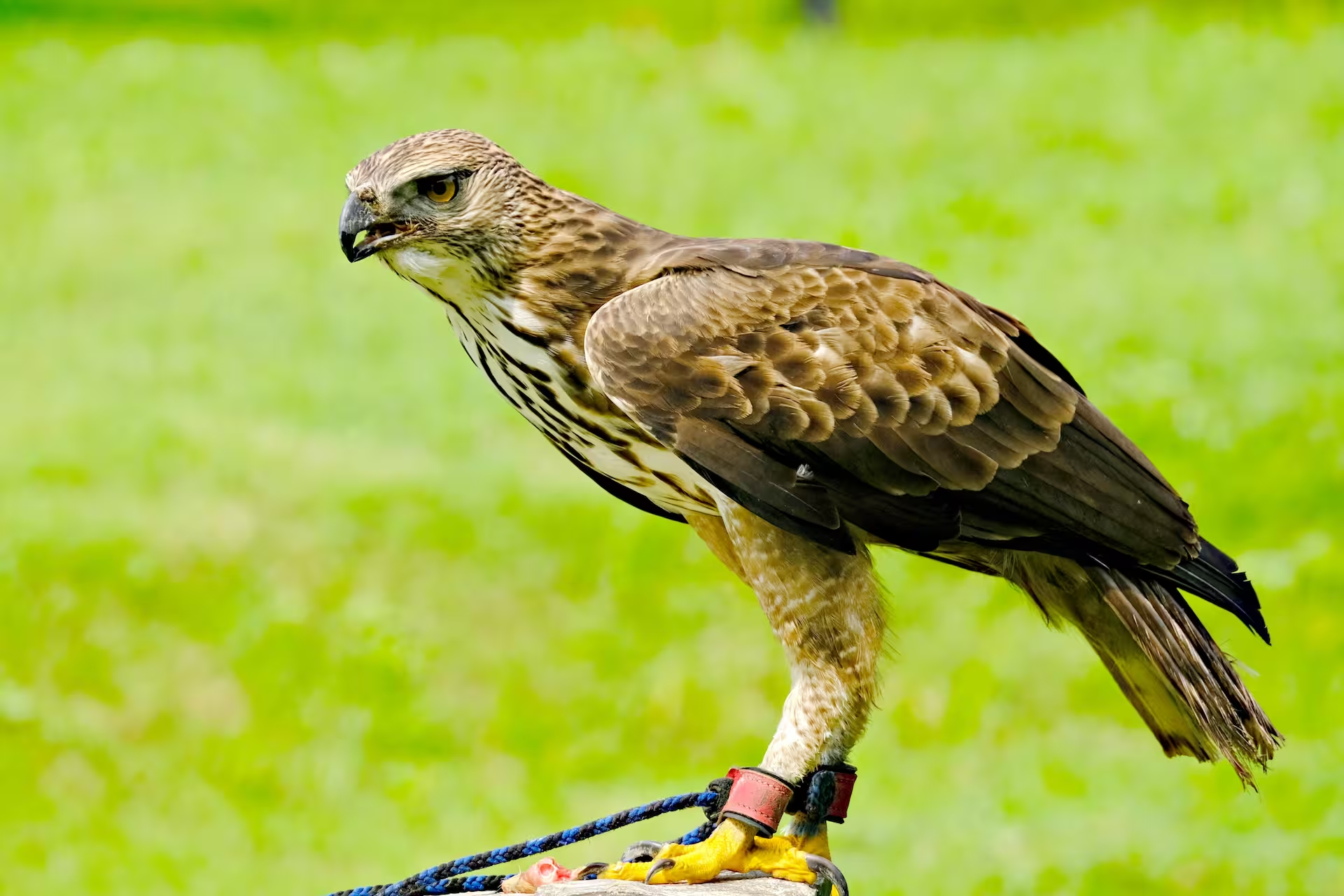
Changeable Hawk-Eagle
Seen perched in taller teak trees.
They prefer slightly open canopy areas, which Pench provides naturally. Guides often scan high branches in quieter stretches.
Indian Pitta (Winter Visitor)
During winter, Pench becomes active with migratory birds.
The Indian Pitta stays close to the ground and is often heard before seen. Buffer zones sometimes give better sightings due to lighter traffic.

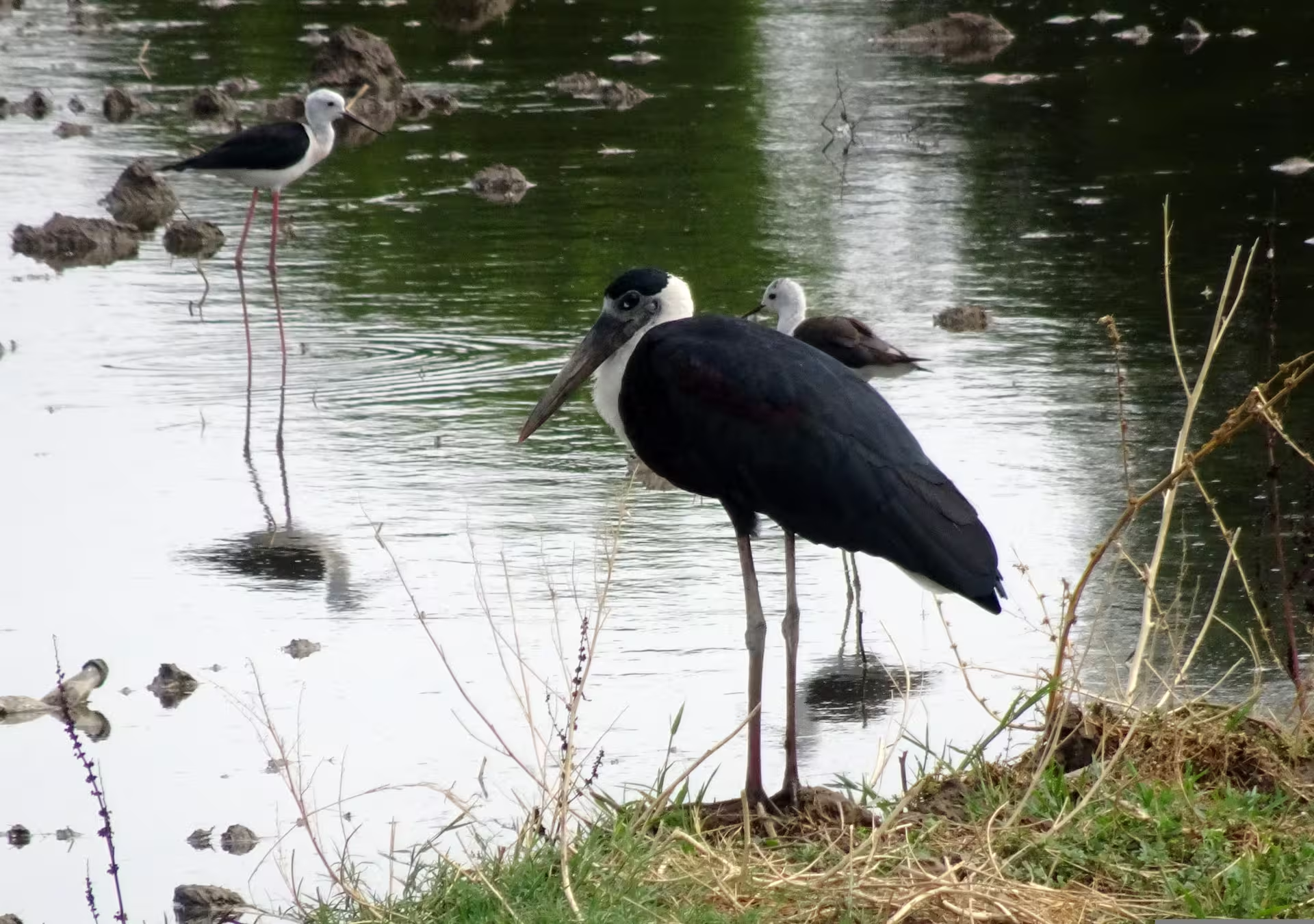
Woolly-necked Stork
Common near water bodies and open marshy patches.
Pench’s mix of grassland and river edges makes this species more visible compared to dense forest parks.
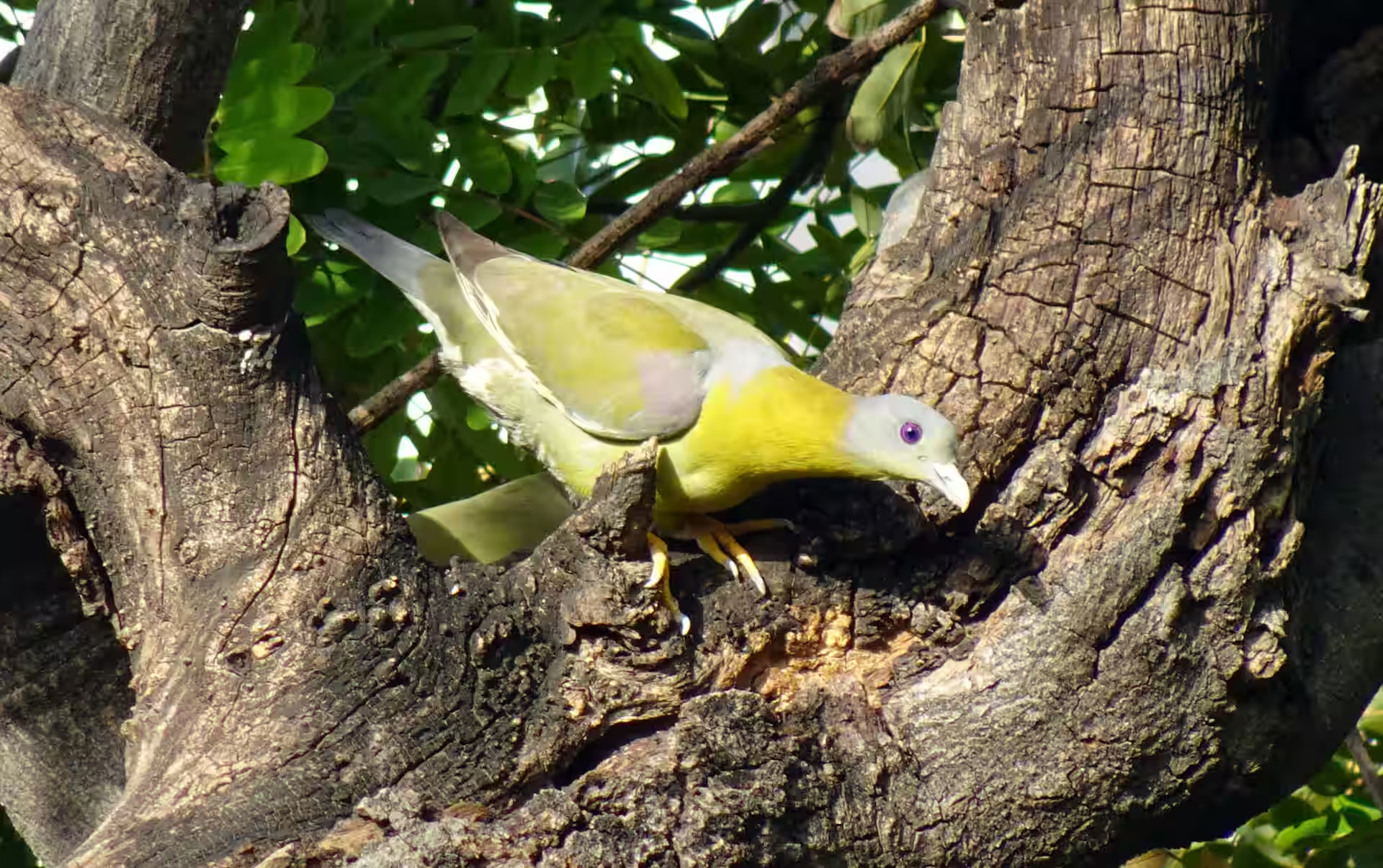
Yellow-footed Green Pigeon
Often seen near fruiting trees.
They blend well into foliage, so patience helps. Early morning drives increase chances.
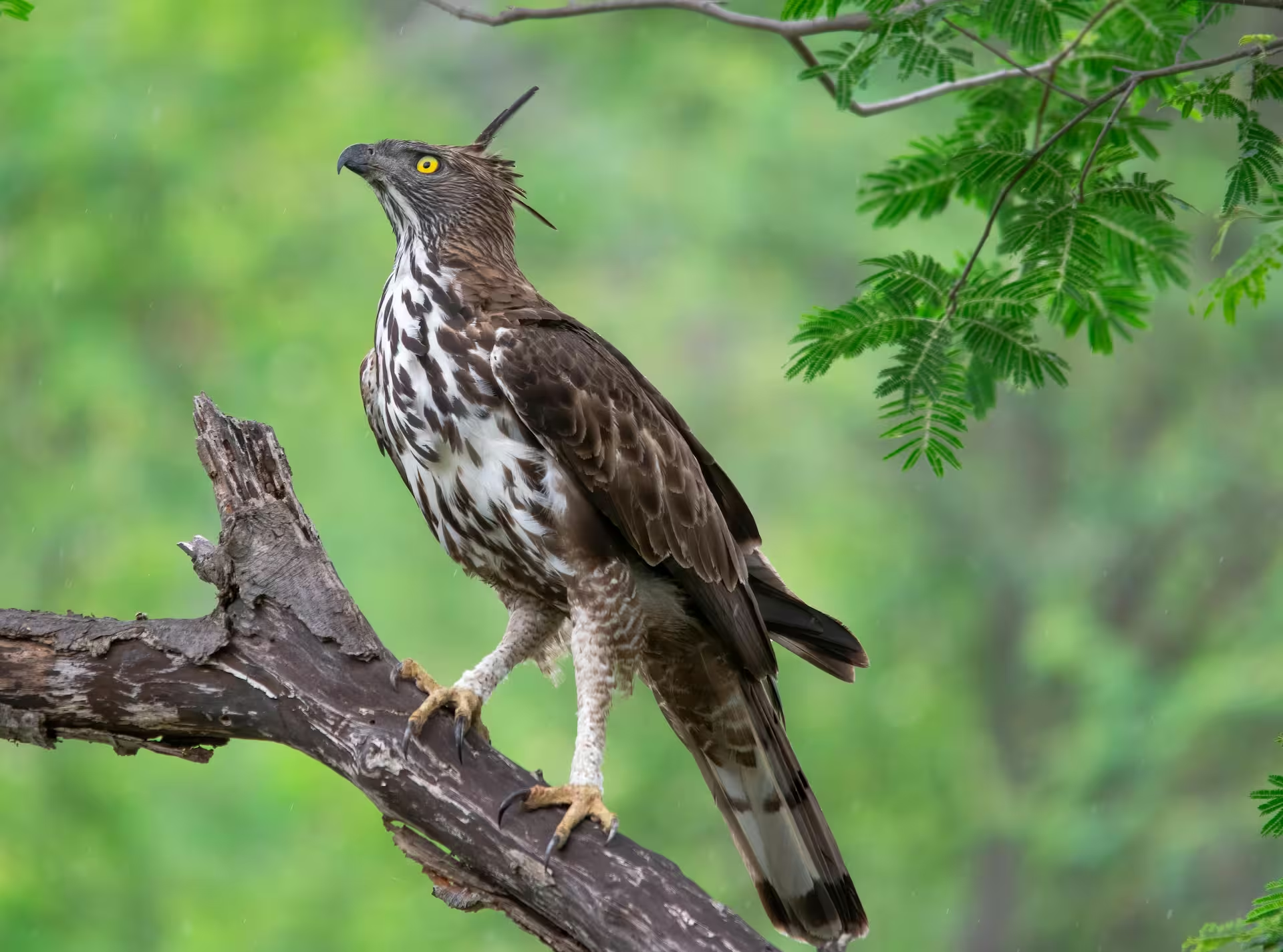
Crested Hawk-Eagle
A regular raptor in Pench.
They prefer open woodland hunting grounds. Because visibility is better than in sal forest parks, spotting perched eagles becomes easier.
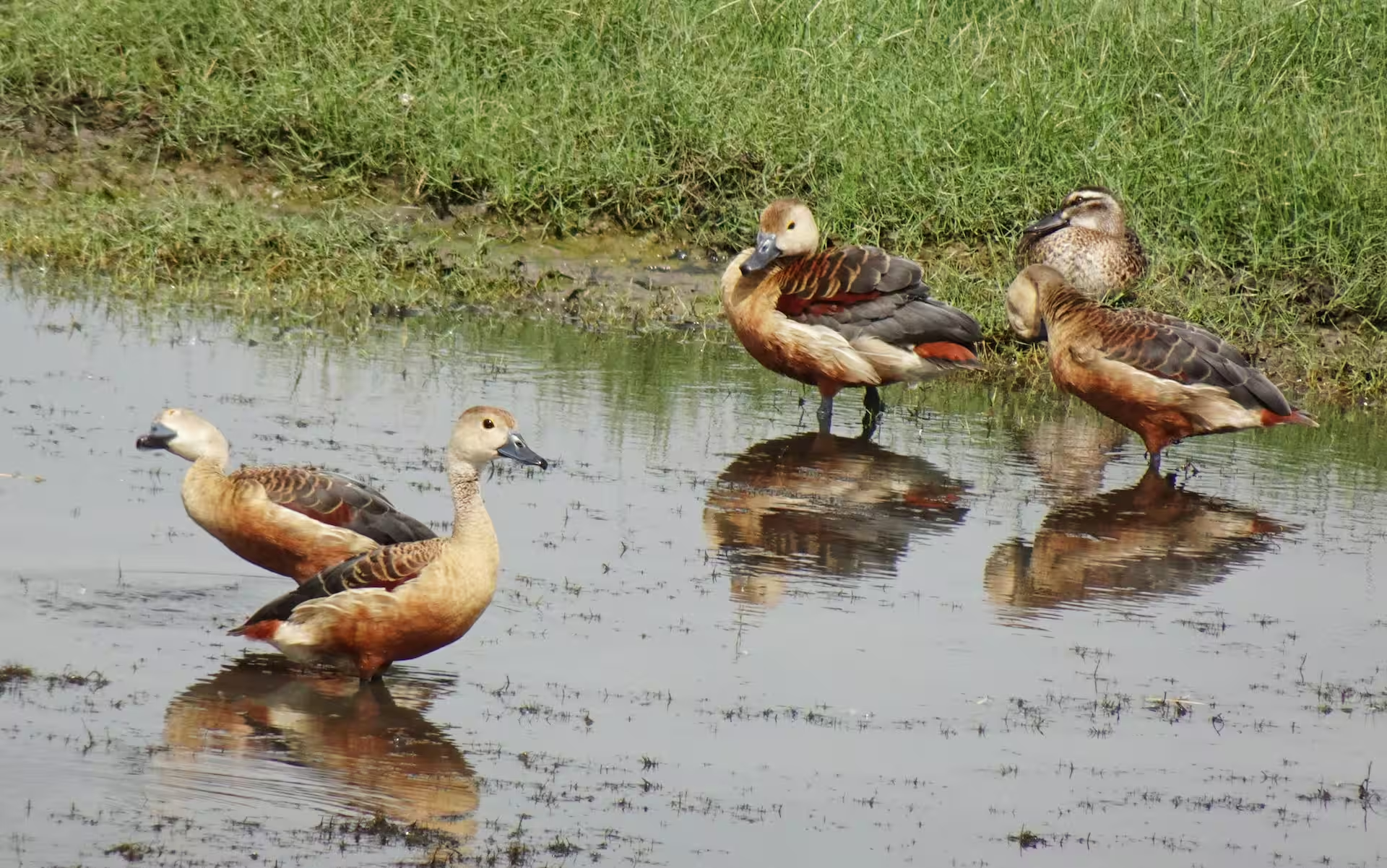
Lesser Whistling Duck
Seen in reservoirs and water tanks within the park.
Their presence highlights Pench’s strong wetland pockets, which are not as dominant in Kanha.
What Makes Birding in Pench Different?
Pench birding revolves around:- Riverbanks
- Open teak woodland
- Sandy riverbeds
- Water reservoirs
- Less dense sal canopy
- More visible raptor activity
- Stronger river-based species presence
Best Time for Birdwatching in Pench
- October to March – Best diversity
- Winter – Migratory species increase
- Summer – Easier visibility due to dry forest
Morning safaris remain most productive.
Practical Birding Tips for Pench
- Keep binoculars ready near water crossings
- Watch dry riverbeds carefully
- Ask the guide about recent raptor movement
- Buffer zones sometimes offer relaxed birding pace
Final Thoughts
Pench gives you a more open birding experience.
If Kanha feels structured and meadow-focused, Pench feels fluid and river-linked. Raptors and water birds become stronger highlights here.
Now next we move to Panna – where the terrain changes completely into cliffs, rocky plateaus, and gorge landscapes.