Seasonal Changes and Animal Activity in Pench
Pench has a mix of dry forest, open grassland, and river areas. The landscape changes through the year. These changes affect how animals move, feed, and interact. Knowing the seasonal patterns helps you plan a safari with clearer expectations.
We organize guided Pench Tiger Safaris with trained naturalists. They help you understand what is happening in the forest in each season.
Winter Months (November to February)
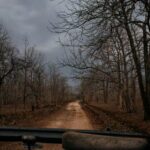
Morning safaris in winter begin with cold air and light mist. The forest looks calm, but animals stay active for longer because the temperature is mild. Deer graze, langurs stay on watch, and birds call from the tall trees.
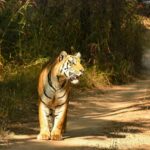
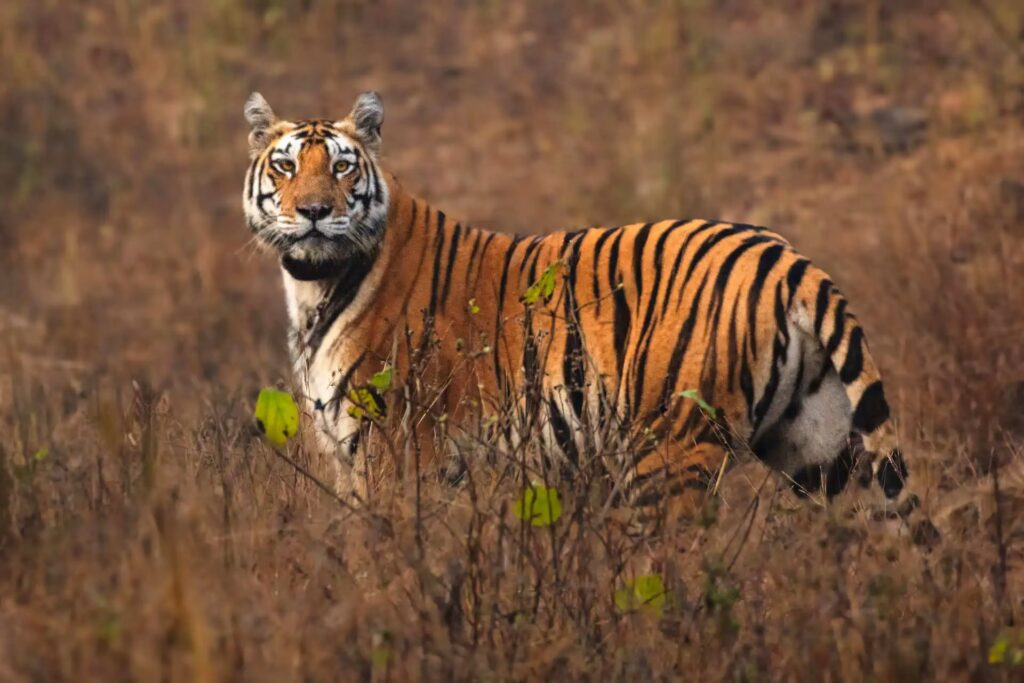
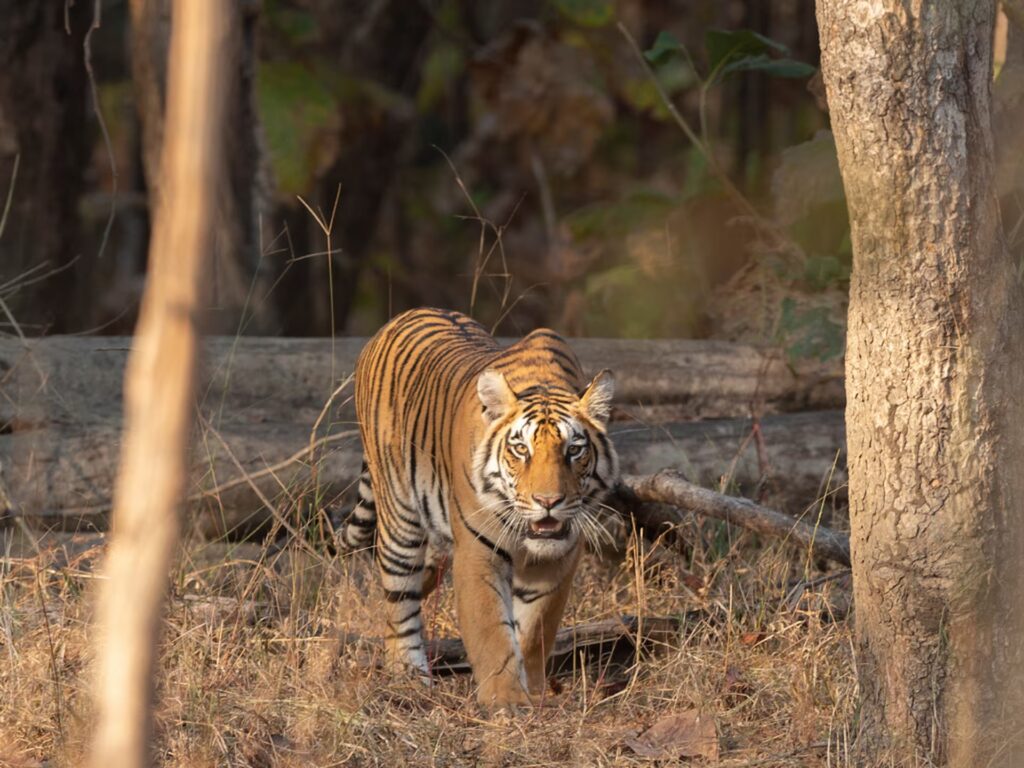
Tigers move more freely during these months. Sightings are steady, especially along forest roads and near meadows. The light is soft and good for photography. You can capture clean shots of animals in their natural surroundings.
Migratory birds also arrive. This is a great time for birdwatching. You may see bar-headed geese, pintails, and many raptors circling above the valleys.
Summer Months (March to June)
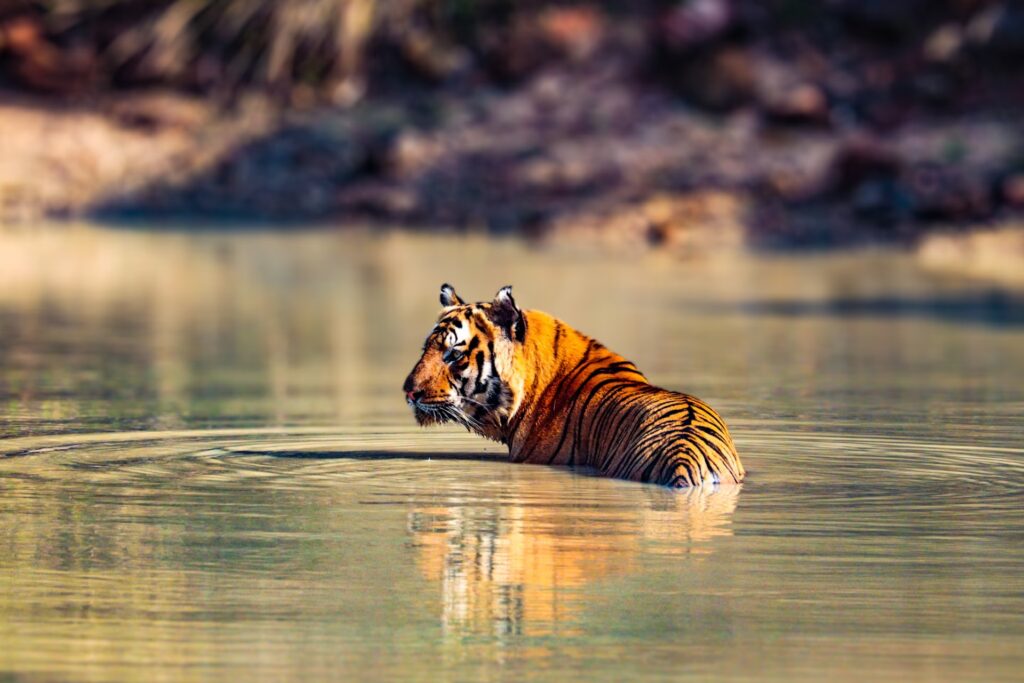
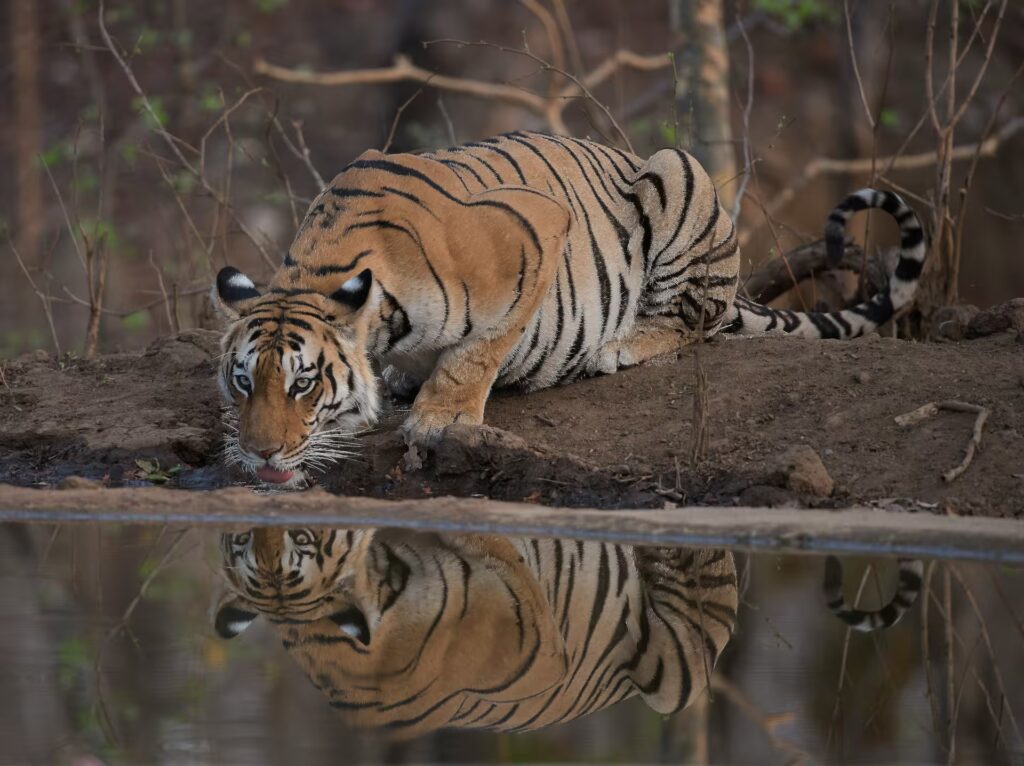
Summer in Pench is hot and dry. Water becomes scarce. Many animals gather near remaining waterholes, lakes, and riverbeds. This increases chances of tiger, leopard, sloth bear, and wild dog sightings.
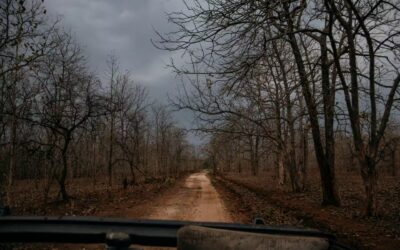
Tigers often rest in the shade during the day but come out to drink or patrol near water points. The forest floor turns golden. Trees shed leaves, which opens visibility across distances. Photographers value this season for clear views of animal movement.
However, the heat is strong. Safaris can feel tiring. Light cotton clothing, a cap, and plenty of drinking water are important. Even with the heat, many wildlife enthusiasts choose this season because of the high chance of big cat sightings.
Monsoon and Park Closure (July to September)
When the rains arrive, Pench becomes lush again. The grass grows tall and the forest floor comes alive with insects, frogs, and new plant growth. This is a key breeding period for many animals.
Most tourism zones remain closed to reduce disturbance. It gives the forest time to recover. Animal movement remains active, but it is not accessible to visitors. When the forest reopens, the landscape looks fresh and renewed.
Early Autumn (October)
The park reopens after the monsoon. The forest is green and thick. Water remains in many places. Because of the dense vegetation, wildlife is present but sometimes harder to see. You may hear alarm calls and find fresh tracks, but the animals may stay hidden in the foliage.
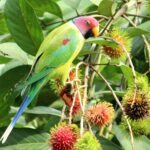
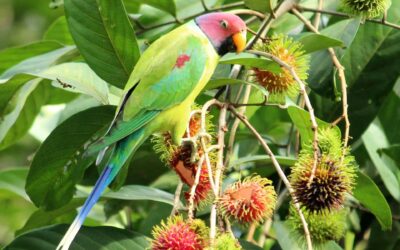
This is a pleasant time for birdwatching. Many species display bright plumage. The air is clean and clear after the rains. If you enjoy the look and feel of a living, growing forest, this month has a special charm.
Animal Behavior Patterns to Observe
Tigers
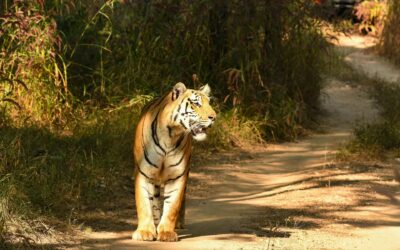
Tigers follow water and prey movement. In summer, they stay close to waterholes. In winter, you may see them walking forest trails or resting in the open.
Spotted Deer and Langurs
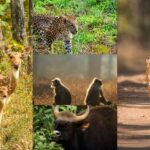
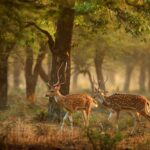
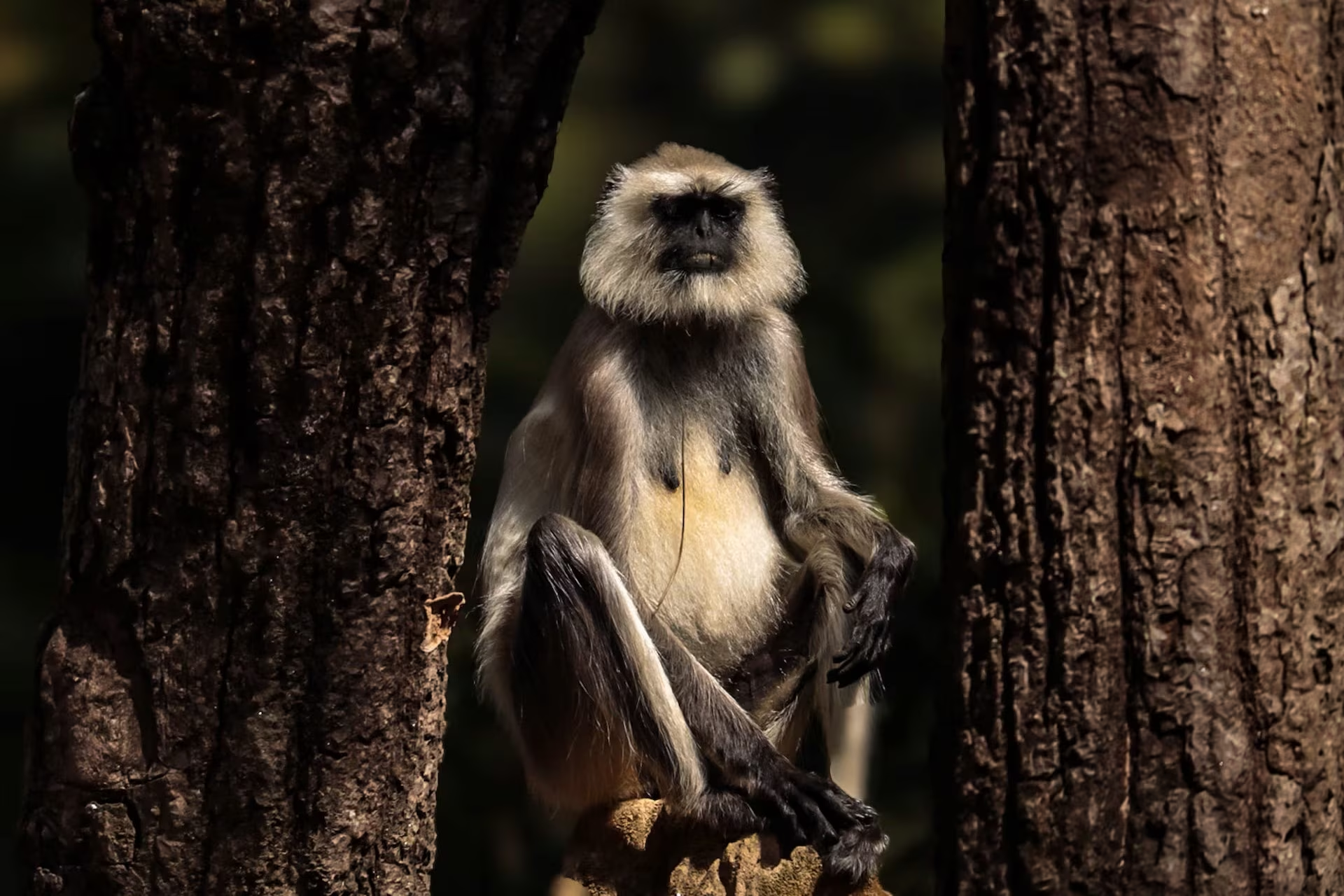
Spotted deer are alert and react quickly to a predator’s presence. Langurs call warnings from treetops. Listening to their calls helps guides track big cats.
Sloth Bears
Sloth bears appear more often in summer evenings and around fruiting trees. Their walk and feeding habits are easy to recognize once you learn them.
Birdlife
Winter brings migratory birds. Summer offers better chances to see raptors hunting. Monsoon supports breeding and nesting.
Nocturnal Activity
Animals like civets, porcupines, and owls move more during evenings and night. Dawn and dusk safaris often reveal their presence through tracks or calls.
Best Time for Photography
Winter
- Soft golden light in mornings
- Mist in valleys adds depth to photos
- Many active animals on open ground
Summer
- Clear line of sight due to fewer leaves
- Strong chances of action near waterholes
- Ideal for close behavior shots
Both seasons offer different styles of photography. Winter provides a clean and calm atmosphere. Summer gives more dramatic sightings.
Safari Experience with Us in Pench
We provide guided Pench Tiger Safaris in open safari vehicles. Our naturalists are familiar with the forest trails, animal movement patterns, and track signs. Safaris focus on quiet observation and respectful wildlife viewing. We do not chase animals or disturb their natural behavior.
We offer:
- Morning and afternoon jeep safaris
- Assistance with permits and zone selection
- Stay and safari planning based on season and interest
Practical Tips for Visitors
- Light cotton clothing in summer. Warm layers for winter mornings.
- Keep a refillable water bottle.
- Use a hat or cap in sunny months.
- Carry a camera with zoom lens if photography is a priority.
- Do not speak loudly during sightings. Let the forest stay calm.
- Follow your naturalist’s instructions at all times.